|

Louis s. Acker Astrology |

|
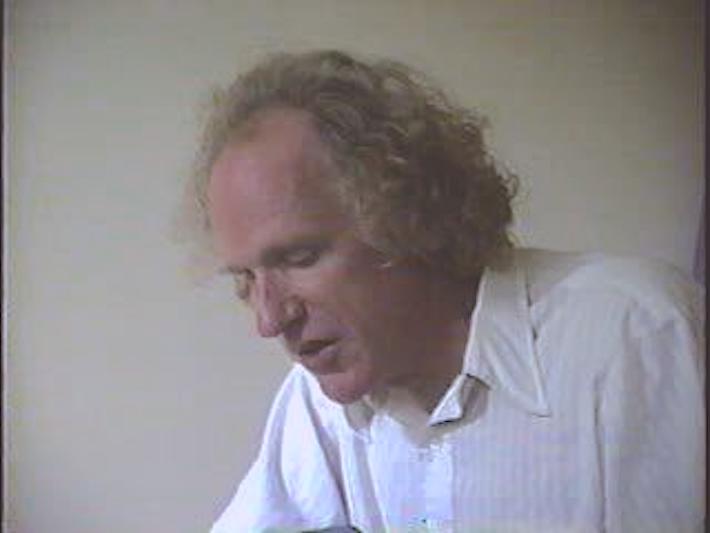
// Revelatory information about the figure known as Louis S. Acker, the Astrologer Extraordinaire; who is an eternal member of the EG2center founding membership core group.
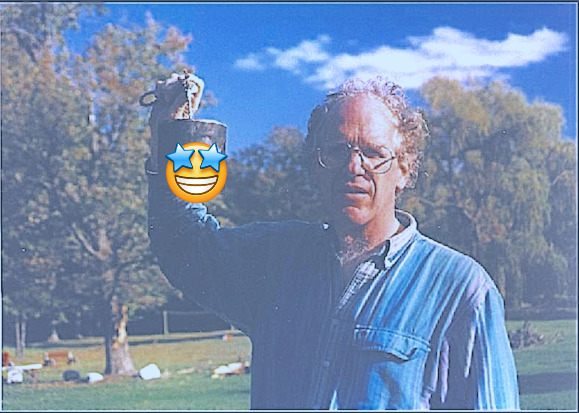
primary study documentation. ( *Desplázate hacia abajo para ver la traducción al español de la transcripción )
Aghamen asks Louis Acker about the development of his astrological class schedule:
registration app and whatever promotional material you send out that gives us a little bit more lead time because this all has to 0:12 12[TIMESTAMP]
be organized in six weeks if we're really going to do this. 0:17 17[TIMESTAMP]
And what that goes into is the whole process 0:23 23[TIMESTAMP]
of transition from now into the real birth of an Aquarian age and covers things like uh the infamous eclipse of 0:31 31[TIMESTAMP]
August 11th, 1999 and the Taurus lineup of Spring-time of 2000 0:38 38[TIMESTAMP]
and uh all the different uh configurations and uh sign transits of 0:46 46[TIMESTAMP]
outer planet. For instance, uh leading up to uh the end of the Mayan calendar, 0:52 52[TIMESTAMP]
December 22nd, 2012, and 0:58 58[TIMESTAMP]
how humanity can make the transition from the Piscean age to the Aquarian age and what that's likely to mean and you 1:07 1min. 7[TIMESTAMP]
know what the major tests and challenges of that process are. And so that's what that's about and I think that that's a 1:15 1min. 15[TIMESTAMP]
very good place to start for an initial workshop. 1:20 1min. 20[TIMESTAMP]
Uh now as far as classes are concerned, classes would typically be eight weeks 1:28 1min. 28[TIMESTAMP]
or 10 weeks in length. Uh they would meet twice a week uh every other week. So that would mean 1:37 1min. 37[TIMESTAMP]
that there would be uh one week or two week time periods in between which would 1:45 1min. 45[TIMESTAMP]
be available for travel or for doing other things. And I think that uh where astrology is concerned, we can start out 1:52 1min. 52[TIMESTAMP]
with two class classes. Uh one would be simply beginners astrology and it would 2:00 2 minutes be for people who know nothing about astrology or next to nothing about astrology. In other words, you were starting from the very beginning 2:08 2min.8[TIMESTAMP]
and that would simply teach the basics of astrology. Aghamen asks: Uh how are you going to do that? 2:14 2min.14[TIMESTAMP]
What you going to are you going to give two classes simultaneously? 2:18 2min.18[TIMESTAMP]
Louis Acker answers: But we outlined a schedule like Tuesday and Thursday that I think for efficiency sake it would be 2:24 2min.24[TIMESTAMP]
good to have uh on the days that the classes are meeting 2:33 2min.33[TIMESTAMP]
two classes uh one for beginners and the other for people who already know something about 2:41 2min.41[TIMESTAMP]
astrology which uh we can call an advanced class for lack of a better word. 2:48 2min.48[TIMESTAMP]
Aghamen asks: What times are these classes going to take place? 2:50 2min.50[TIMESTAMP]
Louis Acker answers: Well, one would have to meet in the late afternoon or early evening and one would have to meet after that. 2:56 2min.56[TIMESTAMP]
Aghamen asks: Do you think that people can get here at I I actually that that that can work the beginning at Tuesday and Thursday? 3:04 3min.4[TIMESTAMP]
You see? Yeah. Louis Acker answers: So if we do I would prefer Tuesday and Wednesday or Wednesday and Thursday because that way 3:12 3min.12[TIMESTAMP]
uh the two days are kind of back to back and that allows more flexibility during the rest of the week. 3:19 3min.19[TIMESTAMP]
Aghamen asks: What do you say Tuesday and Thursday or Wednesday and Thursday you want to do it? 3:22 3min.22[TIMESTAMP]
Louis Acker answers: Either it doesn't matter to me. I I mean Tuesday and Wednesday or Wednesday and Thursday would be the preference. Aghamen asks: I mean that means you'd have to give four classes over a period of two days. 3:33 3min.33[TIMESTAMP]
Louis Acker answers: Well, uh, that's doable. 3:35 3min.35[TIMESTAMP]
Aghamen asks: Okay. And then you also do the weekends every other week. Yes. Okay. 3:41 3min.41[TIMESTAMP]
Louis Acker answers: Or it might be I understand two weeks and then a two week break and then, you know, two weeks again. And that can vary somewhat as we lay out this. 3:50 3min.50[TIMESTAMP]
What do we do? I think we go to let's see because we want to choose optimal astrological dates also to do actual 3:59 3min.59[TIMESTAMP]
weekends. you know, we want to choose the best times to do that. 4:04 4min.4[TIMESTAMP]
Aghamen asks: You're thinking that that the 24th and the 25th will be the first weekend that you do it. 4:09 4min.9[TIMESTAMP]
Louis Acker answers: Uh well uh the 23rd was Thursday and that's the actual Autumnal equinox. So 4:16 4min.16[TIMESTAMP]
it would be 24th, 25th, 26th, Friday night uh would be typically orientation and then Saturday and Sunday would be 4:25 4min.25[TIMESTAMP]
the big day at EG2center astrology school...(end of video documentary Year-1999)
Translation of the video transcript into ESPANOL:
0:04
4[TIEMPO]
la aplicación y cualquier material promocional que enviéis, lo que nos da un poco más de margen, porque todo esto tiene que
0:12
12[TIEMPO]
organizarse en seis semanas si de verdad queremos llevarlo a cabo.
0:17
17[TIEMPO]
Y eso abarca todo el proceso
0:23
23[TIEMPO]
de transición desde ahora hasta el verdadero nacimiento de la era de Acuario, y abarca cosas como, eh, el infame eclipse del
0:31
31[TIEMPO]
11 de agosto de 1999 y la alineación de Tauro de la primavera de 2000
0:38
38[TIEMPO]
y, eh, todas las diferentes, eh, configuraciones y, eh, tránsitos de los
0:46
46[TIEMPO]
los planetas exteriores. Por ejemplo, eh, en el periodo previo al, eh, final del calendario maya,
0:52
52[TIEMPO]
el 22 de diciembre de 2012, y
0:58
58[TIEMPO]
cómo la humanidad puede realizar la transición de la era de Piscis a la era de Acuario y qué es probable que eso signifique, y tú
1:07
1min. 7[TIEMPO]
saber cuáles son las principales pruebas y retos de ese proceso. Y de eso se trata, y creo que es un
1:15
1min. 15[TIEMPO]
punto de partida muy bueno para un taller inicial.
1:20
1min. 20[TIEMPO]
Eh, en cuanto a las clases, suelen durar ocho semanas
1:28
1min. 28[TIEMPO]
o 10 semanas de duración. Eh, se impartirían dos veces por semana, eh, cada dos semanas. Así que eso significaría
1:37
1min. 37[TIEMPO]
que habría, eh, intervalos de una o dos semanas entre sesiones, que
1:45
1min. 45[TIEMPO]
se podrían aprovechar para viajar o hacer otras cosas. Y creo que, eh, en lo que respecta a la astrología...
1:52
1min. 52[TIEMPO]
con dos cursos. Eh... uno sería simplemente «astrología para principiantes» y estaría
2:00
2 minutos
dirigido a personas que no saben nada de astrología o casi nada. En otras palabras, se empezaría desde cero
2:08
2min. 8[TIEMPO]
y en ella simplemente se enseñarían los fundamentos de la astrología. Eh, ¿cómo vas a hacerlo?
2:14
2min. 14[TIEMPO]
¿Vas a impartir dos clases a la vez?
2:18
2min. 18[TIEMPO]
Pero hemos esbozado un horario, como los martes y jueves, que creo que, en aras de la eficiencia, sería
2:24
2min. 24[TIEMPO]
buena idea tener, eh, en los días en que se imparten las clases
2min. 33[TIEMPO]
dos clases, eh, una para principiantes y otra para gente que ya sabe algo sobre
2:41
2min. 41[TIEMPO]
astrología, a la que, eh, podemos llamar clase avanzada a falta de una palabra mejor.
2:48
2min.48[TIEMPO]
¿A qué horas se impartirán estas clases?
2:50
2min.50[TIEMPO]
Bueno, una tendría que ser a última hora de la tarde o a primera hora de la noche, y la otra tendría que ser después de esa.
2:56
2min. 56[TIEMPO]
¿Crees que la gente podrá venir aquí? De hecho, ¿crees que eso podría funcionar al principio, los martes y jueves?
3:04
3min.4[TIEMPO]
¿Ves? Sí. Así que, si lo hacemos, yo preferiría el martes y el miércoles o el miércoles y el jueves, porque de esa forma
3min.12
eh... los dos días están más o menos seguidos y eso permite más flexibilidad durante el resto de la semana.
3:19
3min.19[TIEMPO]
¿Qué te parece hacerlo el martes y el jueves, o el miércoles y el jueves?
3:22
3min.22[TIEMPO]
Me da igual. Bueno, prefiero el martes y el miércoles, o el miércoles y el jueves. Eso significa que tendrías que dar cuatro clases en dos días.
3:33
3min. 33[TIEMPO]
Bueno, eh, eso es factible.
3:35
3min. 35[TIEMPO]
Vale. Y luego también impartirías clases los fines de semana cada dos semanas. Sí. Vale.
3:41
3min.41[TIEMPO]
O quizá sea así: tengo entendido que dos semanas, luego un descanso de dos semanas y después, ya sabes, otras dos semanas. Y eso puede variar un poco a medida que lo vayamos planificando.
3:50
3min.50[TIEMPO]
¿Qué hacemos? Creo que tenemos que ver, porque queremos elegir las fechas astrológicas óptimas también para hacer los
3:59
3min. 59[TIEMPO]
fines de semana. Ya sabes, queremos elegir los mejores momentos para hacerlo.
4:04
4min. 4[TIEMPO]
¿Estás pensando que el 24 y el 25 serán el primer fin de semana en el que lo harás?
4:09
4min.9[TIEMPO]
Eh, bueno, eh… el 23 era jueves y ese es el equinoccio de otoño propiamente dicho. Así que
4:16
4min.16[TIEMPO]
serían el 24, el 25 y el 26; el viernes por la noche, eh, normalmente sería la sesión de orientación, y luego el sábado y el domingo serían
4:25
4min.25[TIEMPO]
el día en la escuela de astrología EG2center... (fin del documental de vídeo del año 1999)
Traducción realizada con la versión gratuita del traductor DeepL.com
Astrologer Louis Acker, tales about the man
This video features a conversation reflecting on the life and legacy of the late astrologer Louis Acker. The speakers, who were associates of the EG2 Center, share personal anecdotes and discuss his personality, his spiritual beliefs, and his time spent in Crestone, Colorado (0:00 - 2:32). Key topics covered include: Hiking Memories: A shared experience from 1999 when the group, including Louis Acker, hiked to the top of a mountain near the Peg Leg Bates Resort (2:32 - 5:58). The Peg Leg Bates Project: The group discusses their efforts to renovate the Peg Leg Bates Resort and their ambitious, though difficult, plans to build an 18-foot monument to Peg Leg Bates (7:50 - 10:48). Workplace Dynamics: The speakers recount the professional tensions between Lloyd, the owner of the resort, and Louis Acker, which eventually led to Acker leaving the project (13:14 - 20:42). Spiritual Perspectives: Louis Acker's interest in reincarnation, karma, and spiritual practices, as well as his desire to live in high-altitude areas like Crestone, are interpreted as potential reflections of past-life memories regarding historical floods (21:35 - 26:42). ****** Louis Acker was described by his associates as a **very spiritual man** with a deep interest in metaphysical concepts (24:16 - 24:26). Based on the conversation in the video, his beliefs included the following: * **Reincarnation and Past Lives:** Acker believed in reincarnation. The speakers noted that his desire to live at high-altitude locations—like *Creststone, Colorado*—was interpreted as being driven by "past life" memories of experiencing historical global floods, leading him to seek higher ground (23:16 - 24:13). * **Karma:** His worldview was influenced by the concept of karma, which he used to explain the differences in people's life paths, statuses, and successes (24:35 - 25:27). * **Spiritual Practice:** Acker engaged in a specific spiritual practice connected to *Sai Baba* (25:52 - 25:58). The speakers discussed *Sai Baba*'s reputation for performing "miracles," such as the materialization of ash (*vibhuti*) (26:05 - 26:19).
In the context of the video, past life memories are discussed as a potential explanation for Louis Acker's intense, unexplained desire to live in high-altitude locations like Creststone, Colorado (23:16 - 24:13). The speakers suggest that these urges may stem from a lingering, subconscious "memory" of historical global floods, driving him to seek higher ground for safety—a concept rooted in his spiritual belief in reincarnation (23:16 - 24:26).
More broadly, past life memories are defined as: Definition: These are experiences or insights that individuals believe come from a previous incarnation or life of their soul. They are frequently associated with the concept of reincarnation, where a person believes they have lived other lives before their current one.
According to the speaker, while traditional religious scriptures often focus on a single, well-known story of a great flood, empirical data and geological research suggest a different reality. The speaker claims that studies of the geological record, utilizing methods like radiocarbon dating, indicate that there have been multiple, significant floods throughout history, rather than just one. (23:29 - 24:00) The relationship between Louis Acker and the two speakers was that of colleagues and associates within the EG2 Center project (02:40). The speakers, who were involved in founding and establishing the center, describe Louis Acker as a genuinely friendly, polite, and respectful man who was also notably private (00:08, 05:45, 06:11-06:21).
Their perspectives on him are nuanced: Appreciation of his character: They hold him in high regard as a person and acknowledge his genius at astrology (00:03, 16:05). Professional friction: The speakers note that Acker was resistant to constructive criticism regarding his work, specifically when it fell outside his area of expertise, such as his attempt to design a monument for the Peg Leg Bates Resort (06:28-06:38, 15:46-16:20). Interpretation of his beliefs: They view his intense, life-altering decisions—such as moving to Creststone, Colorado—through the lens of his spiritual beliefs, interpreting his desire to live at high elevations as a response to deep-seated past-life memories of historical global floods (01:05-01:18, 21:35-22:46, 23:16-24:13).
Louis Acker left the EG2 Center following a significant professional falling out with the resort's owner, Lloyd (19:30-20:33). The conflict stemmed from a project to build a large monument to Peg Leg Bates (13:53-15:11). Lloyd insisted that Acker design and construct the monument, despite Acker's lack of experience as an artist (15:11-15:46, 18:56-19:10). When Acker presented an initial sketch that Lloyd and the others felt looked like an "abstract tin man" rather than a realistic statue, tensions escalated (15:54-17:00). Ultimately, Lloyd issued an ultimatum, and when Acker responded that he had "other options," Lloyd told him, "Then go to your options" (19:30-20:25). Following this confrontation, Acker never spoke to Lloyd again and began packing his belongings, which the speakers characterize as a major defeat for the EG2 Center (20:25-21:03).
This video features a conversation reflecting on the life and legacy of the late astrologer Louis Acker. The speakers, who were associates of the EG2 Center, share personal anecdotes and discuss his personality, his spiritual beliefs, and his time spent in Crestone, Colorado (0:00 - 2:32).
Key topics covered include: Hiking Memories: A shared experience from 1999 when the group, including Louis Acker, hiked to the top of a mountain near the Peg Leg Bates Resort (2:32 - 5:58). The Peg Leg Bates Project: The group discusses their efforts to renovate the Peg Leg Bates Resort and their ambitious, though difficult, plans to build an 18-foot monument to Peg Leg Bates (7:50 - 10:48). Workplace Dynamics: The speakers recount the professional tensions between Lloyd, the owner of the resort, and Louis Acker, which eventually led to Acker leaving the project (13:14 - 20:42). Spiritual Perspectives: Louis Acker's interest in reincarnation, karma, and spiritual practices, as well as his desire to live in high-altitude areas like Crestone, are interpreted as potential reflections of past-life memories regarding historical floods (21:35 - 26:42).
What spiritual beliefs did Louis Acker follow? Louis Acker was described by his associates as a very spiritual man with a deep interest in metaphysical concepts (24:16 - 24:26). Based on the conversation in the video, his beliefs included the following: Reincarnation and Past Lives: Acker believed in reincarnation. The speakers noted that his desire to live at high-altitude locations—like Creststone, Colorado—was interpreted as being driven by "past life" memories of experiencing historical global floods, leading him to seek higher ground (23:16 - 24:13). Karma: His worldview was influenced by the concept of karma, which he used to explain the differences in people's life paths, statuses, and successes (24:35 - 25:27). Spiritual Practice: Acker engaged in a specific spiritual practice connected to Sai Baba (25:52 - 25:58). The speakers discussed Sai Baba's reputation for performing "miracles," such as the materialization of ash (vibhuti) (26:05 - 26:19). What are past life memories? In the context of the video, past life memories are discussed as a potential explanation for Louis Acker's intense, unexplained desire to live in high-altitude locations like Creststone, Colorado (23:16 - 24:13). The speakers suggest that these urges may stem from a lingering, subconscious "memory" of historical global floods, driving him to seek higher ground for safety—a concept rooted in his spiritual belief in reincarnation (23:16 - 24:26). More broadly, past life memories are defined as: Definition: These are experiences or insights that individuals believe come from a previous incarnation or life of their soul. They are frequently associated with the concept of reincarnation, where a person believes they have lived other lives before their current one. Manifestations: People who report these memories often describe them as feeling like clear snippets of time, intense intuitive feelings, unexplained talents, phobias, or a strong, instant sense of familiarity with certain places or people. Exploration Methods: Some practitioners use techniques like past life regression (often involving hypnosis or deep meditation) to help individuals access what they believe are memories from previous existences. Research: While scientific consensus does not support them as historical facts, researchers have studied reports of such memories—particularly in young children who claim to remember specific details of a life they never lived.
According to the speaker, while traditional religious scriptures often focus on a single, well-known story of a great flood, empirical data and geological research suggest a different reality. The speaker claims that studies of the geological record, utilizing methods like radiocarbon dating, indicate that there have been multiple, significant floods throughout history, rather than just one. (23:29 - 24:00) louis acker according to the video two speakers The relationship between Louis Acker and the two speakers was that of colleagues and associates within the EG2 Center project (02:40). The speakers, who were involved in founding and establishing the center, describe Louis Acker as a genuinely friendly, polite, and respectful man who was also notably private (00:08, 05:45, 06:11-06:21).
Their perspectives on him are nuanced: Appreciation of his character: They hold him in high regard as a person and acknowledge his genius at astrology (00:03, 16:05). Professional friction: The speakers note that Acker was resistant to constructive criticism regarding his work, specifically when it fell outside his area of expertise, such as his attempt to design a monument for the Peg Leg Bates Resort (06:28-06:38, 15:46-16:20). Interpretation of his beliefs: They view his intense, life-altering decisions—such as moving to Creststone, Colorado—through the lens of his spiritual beliefs, interpreting his desire to live at high elevations as a response to deep-seated past-life memories of historical global floods (01:05-01:18, 21:35-22:46, 23:16-24:13).
Why did Louis Acker leave the EG2 Center? Louis Acker left the EG2 Center following a significant professional falling out with the resort's owner, Lloyd (19:30-20:33). The conflict stemmed from a project to build a large monument to Peg Leg Bates (13:53-15:11). Lloyd insisted that Acker design and construct the monument, despite Acker's lack of experience as an artist (15:11-15:46, 18:56-19:10). When Acker presented an initial sketch that Lloyd and the others felt looked like an "abstract tin man" rather than a realistic statue, tensions escalated (15:54-17:00). Ultimately, Lloyd issued an ultimatum, and when Acker responded that he had "other options," Lloyd told him, "Then go to your options" (19:30-20:25). Following this confrontation, Acker never spoke to Lloyd again and began packing his belongings, which the speakers characterize as a major defeat for the EG2 Center (20:25-21:03). What was the EG2 Center?
The EG2 Center was an organization or initiative where the speakers, along with associates like the astrologer Louis Acker, worked together on various projects, including the renovation of the Peg Leg Bates Resort (2:40, 12:37-12:57). Key aspects of the EG2 Center mentioned in the video include: Foundational Efforts: The center was established to host various projects, and the speakers were responsible for managing and renovating the Peg Leg Bates Resort during its early stages (2:40, 12:37-13:00). Community and Collaboration: It served as a hub for bringing people together, with the speakers noting that they had a core staff and hosted visitors from various backgrounds, including international guests (2:40-3:22). Projects: One of the most significant endeavors discussed was the plan to build an 18-foot monument to Peg Leg Bates at the resort, a project that caused internal conflict and eventually contributed to the organization's difficulties (9:53-10:48, 13:53-14:52, 20:42-20:56). Legacy: The speakers describe the departure of Louis Acker and the internal friction caused by their business partner, Lloyd, as significant setbacks that ultimately led to the decline of the EG2 Center's presence at the resort (8:54-9:20, 20:42-21:03).
The monument project failed primarily due to internal conflict and a disagreement over the design (13:53 - 14:10). Although the owner, Lloyd, was a fan of Peg Leg Bates, he insisted that Louis Acker design the 18-foot statue, even though Acker was an engineer rather than an artist (14:38 - 15:49). When Acker presented a sketch that looked like an "abstract tin man" rather than the realistic bronze-style sculpture Lloyd wanted, the project stalled (15:54 - 17:00). Ultimately, a power struggle and an ultimatum from Lloyd regarding the project resulted in a permanent rift and Acker's departure from the EG2 Center (19:30 - 20:33).
The conflict regarding the Peg Leg Bates monument stemmed from Lloyd's stubborn insistence on maintaining control and his refusal to let the project manager (the speaker) handle the design (14:38-15:11). Even though the project manager expressed interest in designing the 18-foot monument, Lloyd explicitly stated, "No, I want Louis Acker to do it," and refused to let the project manager lead that specific initiative (15:03-15:32). Lloyd appeared to be driven by a desire for power and control, often using his ownership of the Peg Leg Bates Resort to enforce his decisions, even when they contradicted the practical needs of the project (13:21-13:40, 15:46-15:54). While Louis Acker was a talented astrologer, he was not an artist, and his resulting sketch was criticized by the team as looking more like an "abstract tin man" than the intended realistic, life-like monument (16:01-17:00).
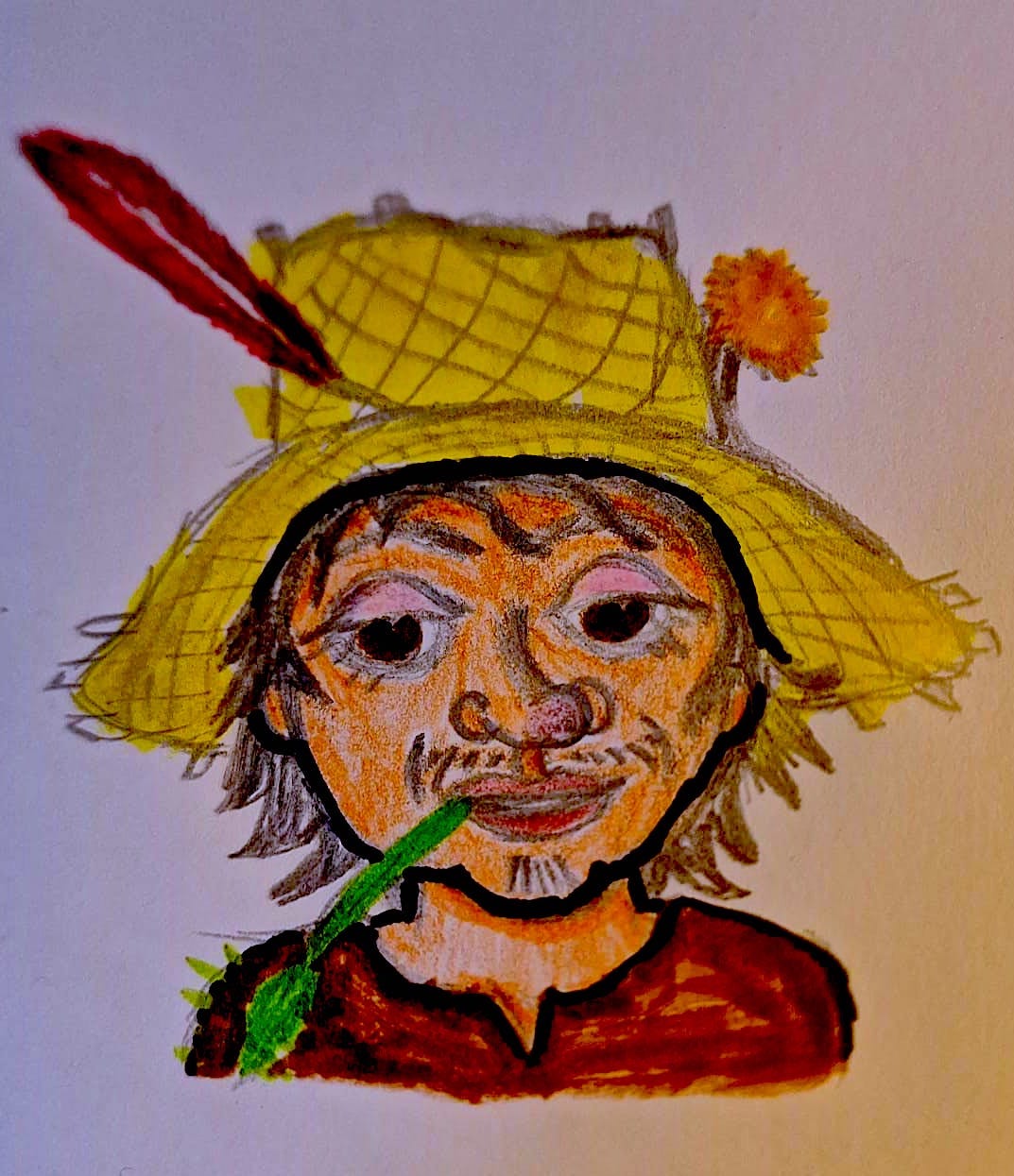
The planned monument for Peg Leg Bates was intended to be a human-like statue standing roughly 9 to 18 feet tall (14:47-15:01, 18:26-18:46). The vision, particularly held by Lloyd, was for a realistic, life-like sculpture reminiscent of a bronze casting (16:43-16:57). However, the design provided by Louis Acker failed to meet these expectations. Instead of a realistic figure, his sketch resulted in something the speakers described as an "abstract tin man"—similar to the character from The Wizard of Oz (15:54-16:23). This was largely because Acker, an engineer and astrologer rather than an artist, was conceptualizing the structure based on his experience with welding and abstract metal sculpture (15:47-16:43).
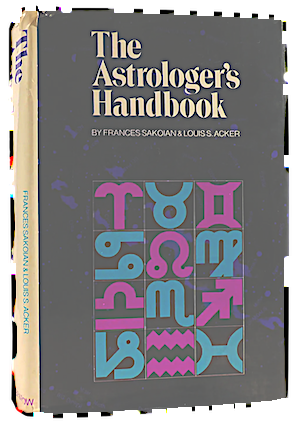
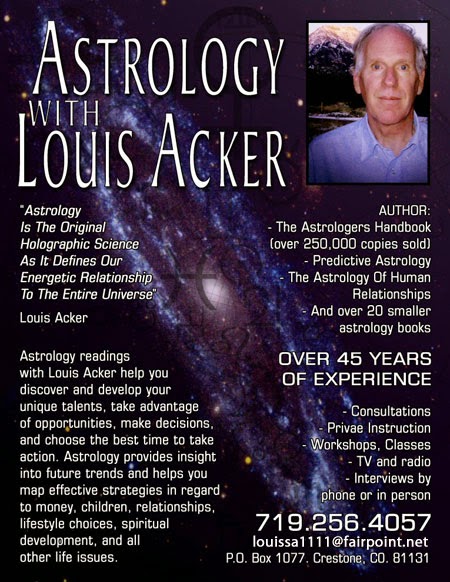
Louis Acker was a prominent professional astrologer and author, best known for his collaborative work with Frances Sakoian. Together, they authored influential astrology texts in the late 20th century, most notably The Astrologer's Handbook (first published around 1973/1974), which remains a staple reference book for many students of the craft. His other works include Predictive Astrology: Understanding Transits As the Key to the Future. In the video, the speakers reflect on his legacy, noting his genius at astrology (16:05). His background was multifaceted; beyond his literary contributions, he was known for being a very private, respectful, and friendly individual. He also had an interest in practical skills, as evidenced by his experience in a welding shop and his role as an engineer—though his attempt to apply these skills to create an abstract metal sculpture for the Peg Leg Bates Resort monument was met with creative criticism from his colleagues (15:47-16:43).
The Peg Leg Bates monument was an ambitious, albeit unrealized, project envisioned by members of the EG2 Center to honor the legendary African-American tap dancer, Clayton "Peg Leg" Bates (9:53 - 10:48). Following his passing, the team sought to create a lasting memorial at the site of his former resort in the Catskills (10:48 - 11:47). Key details about the project include: Design Concept: The monument was intended to be a life-like, human-scale statue, with discussions about it being between 9 and 18 feet tall (14:47 - 15:01, 18:26 - 18:46).
ASTROLOGY SCHOOL founder Ahgamen Keyboa_.
0:00 0[TIMESTAMP] Interviewer Alysse: hello and we're back with Mr Ahgamen. Ahgamon, since you posted a last video many of our viewers want to know how 0:08 8[TIMESTAMP] does one do astrology?
Ahgamen Keyboa_ answers: well you first need to calculate a chart that's the chart wheel many people have seen once it's very familiar...
Interviewer Alysse: so how much do people's chart differ?
Ahgamen Keyboa_ answers: every chart is different there's unlimited amount of charts you can calculate every day it puts deployments 0:26 26[TIMESTAMP] in a different replacement so what you're looking at in the chart rule is actually where the planets are at that moment 0:33 33[TIMESTAMP] always changing. Interviewer Alysse: what does a chart consist of?
Ahgamen Keyboa_ answers: well the chart is a wheel that divides the sky into 360 degrees 0:43 43[TIMESTAMP] which is basically the same thing that mathematicians use when they're doing geometry or based on the circle and how 0:51 51[TIMESTAMP] you divide it it's divided in half to 180 degrees and it's divided four ways into 90 degrees in the order but these are the quarters 0:59 59[TIMESTAMP] of the year that's very important especially in paganism or earth-based spirituality in the wheel you have the 1:08 1min. 8[TIMESTAMP] planets where they are in the sky at that moment it's very geometrical.
yes I've looked at a child before and definitely looks like a foreign language 1:15 1min. 15[TIMESTAMP] to me
Ahgamen Keyboa_ answers: actually astrologer needs to be thinking in terms of math geometry 1:21 1min. 21[TIMESTAMP] trigonometry it's all numbers and angles what kind of meaning that has to human life. Interviewer Alysse: are there computer 1:30 1min. 30[TIMESTAMP] programs and websites that do this for people or is it
Ahgamen Keyboa_ answers: computer programs operate very quickly as far as calculating the chart saves in 1:39 1min. 39[TIMESTAMP] astrologer a lot of time but what I always recommend is that you learn how to calculate a chart from the book The person should be able to pick up the 1:47 1min. 47[TIMESTAMP] ephemeris which is the books it's not really a Bible because it's not about interpretations it's showing you day by day where the planets are there's the 1:57 1min. 57[TIMESTAMP] time axis and then there's the placement which is under the column for the planets it'll tell you exactly where they are and it'll tell you what the 2:04 2min.4[TIMESTAMP] moon what phase it's in and it will also tell you eclipses the fibrous is actually something that the astronomers 2:11 2min.11[TIMESTAMP] use as well. Interviewer Alysse: wow! very interesting! well thank you so much for joining us again today Mr. Ahgamen!
[ VISUAL ASSET LEDGER COLLECTION ]